AY Honors/Flowers/Answer Key
From Pathfinder Wiki
1. Draw or photograph 35 kinds of wild flowers and identify them correctly.
Bummer - none of the flowers listed here are wild flowers. This section needs a total rework!
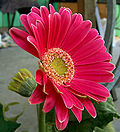
Arctotis
- Kalimeris incisa0.jpg
Aster

Azalea

Begonia

Bluebell

Carnation

Chamomile

Chrysanthemum
- Clematis jackmanii 2.jpg
Clematis

Columbine

Crocus

Dahlia
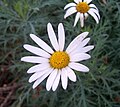
Daisy

Forget Me Not

Forsythia

Geranium

Hollyhock

Hydrangea

Hyacinth
Iris
- Lantana.jpg
Lantana

Lily

Lupine
Marigold

Nasturtium
Orchid
Pansy

Peony

Periwinkle
Petunia

Phlox

Poppy
Primrose
Rose

Sunflower

Sweet Pea
Tansy
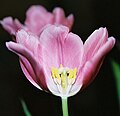
Tulip

Violet


.jpg)


_v2.jpg)


2. Draw and properly label, or point out the actual parts of a flower: pistil, stamen, petal, sepal.
http://www.prairiefrontier.com/pages/families/flwrparts.jpg
3. Name six flower families and their distinguishing characteristics. Name at least two flowers in each family.
Rosaceae - Rose Family
4. Describe the life history of a particular flower, including the part played by insects or wind in pollination.
5. Name at least two plants that are poisonous to touch, and state which, if any, are found in your locality.
6. Do three of the following:
a. Arrange, draw or photograph a series of at least six flowers showing in order the colors of the rainbow: red, orange, yellow, green, blue, violet.
b. Submit fresh, pressed or dried flowers which have: five petals, four petals, three petals, no petals.
c. Distinguish and name two out of five wild or cultivated flowers by their odor, while blindfolded.
d. List flowers that you have observed being visited for food by the following:
- 1. Birds:
- 2. Honeybees:
- 3. Bumblebees:
- 4. Butterflies:
- 5. Moths: